


Envisioning Mumbai 2050: Eco-Futurism and the Rise of Solarpunk Aesthetics
- Aditya Sarkar
- Jan 10
- 4 min read

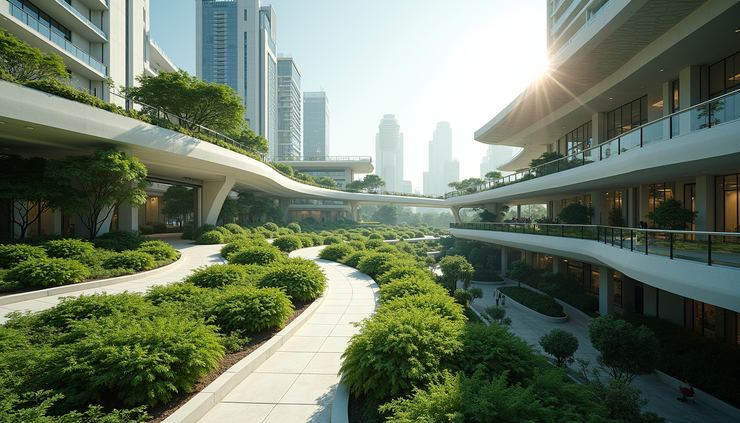
Close your eyes and picture Mumbai in 2050. Do you see a dystopian cyberpunk haze, or do you see vertical gardens draping over the Sea Link and solar-glass skyscrapers glistening in clear air? If it’s the latter, you’ve just stepped into the world of Solarpunk—the most optimistic and visually stunning design movement of 2026.
This post explores how Indian digital artists and urban planners are shaping a future where technology and nature coexist in harmony. Moving beyond the usual "doom and gloom" narratives, we spotlight the Solarpunk aesthetic art India scene and the Eco-futurism visual culture that is redefining how cities like Mumbai, Delhi, and Bengaluru might look and feel.

The Rise of Solarpunk in Indian Urban Imagination
Solarpunk is more than a style; it’s a hopeful vision of the future where green technology and sustainable living blend seamlessly with urban life. In India, this movement has gained momentum among digital artists and architects who reject the bleakness often associated with futuristic cities. Instead, they imagine a world where:
Green architecture design trends 2026 prioritize renewable energy and natural elements.
Traditional Indian motifs like jali screens and domes merge with modern biophilic technology.
Public spaces become lush, pedestrian-friendly ecosystems.
For example, Delhi’s Connaught Place is reimagined as a pedestrian-only botanical hub, where native plants and trees replace concrete, and solar panels integrate with heritage structures. This vision challenges the typical concrete jungle stereotype and offers a blueprint for sustainable urban living.
Digital Art Inspiration from Indian Creators
Indian digital artists are at the forefront of this transformation. Their work combines futuristic Indian cities concept art with elements of nature, culture, and technology. These creators use vibrant emerald greens and shimmering golds to depict cities that breathe and grow.
One standout example is the fusion of Bengaluru’s tech parks with ancient banyan root systems. Digital renderings show sprawling roots intertwining with glass buildings, symbolizing a symbiotic relationship between nature and innovation. This approach reflects the core of Eco-futurism visual culture—technology that nurtures rather than dominates.
The artists draw inspiration from:
Indigenous flora and fauna
Traditional Indian architectural patterns
Sustainable materials and energy sources
Their art serves as a call to action, encouraging urban planners and citizens to rethink how cities evolve.

Green Architecture Design Trends 2026 in India
The Solarpunk aesthetic art India movement is influencing real-world architecture. Some key trends emerging in 2026 include:
Vertical gardens and green walls that improve air quality and reduce heat.
Solar-glass facades that generate energy while allowing natural light.
Water recycling systems integrated into building designs.
Use of local, sustainable materials to reduce carbon footprints.
Pedestrian-first urban planning with green corridors and open spaces.
These trends are visible in concept art and early prototypes across Indian cities. For instance, Mumbai’s Sea Link is imagined covered in vertical gardens, transforming a transport artery into a living ecosystem. Such designs not only beautify the city but also address climate challenges like heat waves and pollution.
Eco-Futurism Visual Culture and Its Philosophy
Eco-futurism visual culture is rooted in the belief that the future should not be a battle between nature and technology. Instead, it promotes coexistence and mutual support. This philosophy resonates strongly with Gen Z designers who grew up witnessing environmental crises but remain hopeful.
Key ideas include:
Nature as a partner, not an obstacle
Technology designed to restore ecosystems
Urban spaces that support biodiversity
Cultural heritage integrated with modern innovation
This mindset is reflected in the digital art and urban concepts emerging from India. It challenges the narrative that progress means sacrificing the environment and instead offers a vision where cities are vibrant, green, and technologically advanced.
What This Means for Digital Artists, Urban Planners, and Sci-Fi Fans
For digital artists and illustrators, the Solarpunk aesthetic art India scene offers rich material to explore. It combines cultural heritage with futuristic technology, creating unique visual narratives. Artists can experiment with color theory, blending natural greens with metallic golds and solar blues to evoke hope and innovation.
Urban planners can draw lessons from these concepts to design cities that prioritize human well-being and environmental health. The integration of traditional Indian architectural elements with modern green technology provides a roadmap for sustainable development.
Sci-fi and speculative fiction fans will find this vision refreshing. It moves away from dystopian futures and instead imagines cities that thrive through balance and care. This shift opens new storytelling possibilities grounded in real-world challenges and solutions.
Looking Ahead: Building the Future We Want
The vision of Mumbai in 2050 as a Solarpunk city is not just fantasy. It reflects a growing movement among Indian creators and planners to build a future where technology supports nature and culture. The Futuristic Indian cities concept art emerging today serves as both inspiration and blueprint.
By embracing green architecture design trends 2026 and the principles of Eco-futurism visual culture, India can lead the way in creating urban spaces that are beautiful, sustainable, and inclusive.
This future depends on collaboration between artists, architects, policymakers, and citizens. It invites everyone to imagine and work toward cities where the air is clear, the buildings breathe, and nature thrives alongside human innovation.


Comments